I Dropped My Xeon. The Board Never Posted Again.
2026-06-24The Supermicro X11DPH-i is what you end up with when you decide a homelab build deserves server-grade hardware. Dual LGA 3647 sockets, sixteen RAM slots, C621 chipset, IPMI, the whole deal. Two Xeon Gold 6230 CPUs, 20 cores each, Cascade Lake, 125W TDP. Eight 32 GB DDR4 ECC LRDIMMs for 256 GB total. PC4-3200AA running at 2933 MHz. The new heart of the Unraid box.
Fractal Design Define 7 XL, Corsair RM850e PSU, Dynatron B-14 Narrow ILM coolers, Intel Arc A380, eight 10 TB HGST drives plus two NVMe cache SSDs behind a MegaRAID 3108 in IT mode. Bought piece by piece over a few months. Documented everything.
Then I dropped the CPU.
The Drop
I was moving the Gold 6230 between sockets. The chip was still warm from the previous test boot. I turned to grab a cleaning cloth, my elbow caught the chassis edge, and the Xeon slipped.
Fifteen centimeters, maybe. It landed on the corner of the LGA 3647 socket. Not on the PCB, not the bracket, the socket. 3,647 gold-plated spring contacts, each about the width of a hair, packed across roughly two square inches. A server CPU doing 100-something grams hitting that corner at an angle isn't in Intel's design spec.
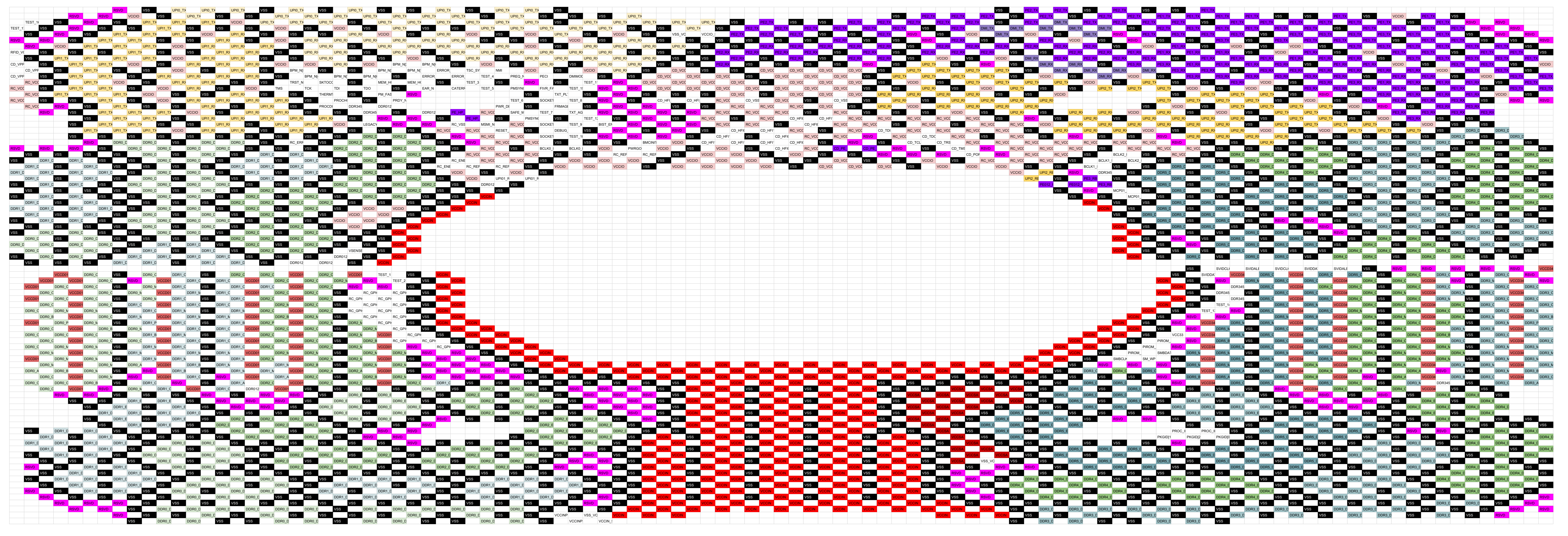
The bottom-right corner took the worst of it. That's where DDR4 channels C and D live. When I lifted the CPU, several pins were bent flat. Others were twisted sideways. Two were gone, snapped at the base.
The Surgery
I got out a magnifying lamp, a sewing needle, and a mechanical pencil with the lead retracted. The hollow tip fits over individual pins reasonably well. Spent about two hours on it. Needle under the base to lift pins that had folded sideways, pencil tip to coax bent ones back toward vertical. Moving in millimeter increments, barely breathing, knowing one slip means one less pin and one less chance.
Got maybe 85% of the damaged pins back into something close to upright. Not factory alignment, not even close, but close enough to hope. The snapped ones I couldn't do anything about.
The Verdict
After reassembly, I hit the power button. Fans spun, LEDs lit. The Supermicro logo came up on the display. For maybe two seconds I thought it was fine. Then the POST stopped. The board couldn't detect any RAM across any slot, no matter which stick or which bank. Swapped DIMMs, tried every position, clear CMOS, one CPU then the other. Zero bytes. The socket couldn't talk to memory at all.
It wasn't "some channels failed." It was just dead. I held out hope for maybe ten minutes, checked the IPMI logs, refreshed a few times. Nothing. Ordered a replacement X11DPH-i from eBay the same evening for 415 euros.
The Cost
415 euros for a board I already owned, plus the waiting. Everything else, the case, the PSU, the coolers, the drives, the HBA, was sitting there ready. RAM population maps, Narrow ILM cooler notes, staggered drive spin-up calculations, IPMI fan curves. The build was documented down to the gram. All of it on hold because I turned around to grab a cloth.
What I'd Do Differently
Clear the workspace before touching open sockets. That much is obvious. The less obvious thing: don't spend two hours trying to convince yourself the damage is minor. When I first saw the bent pins I thought "I'll just straighten them", because the alternative, accepting that I'd wrecked a 400+ euro board, was hard to sit with. I should have ordered the replacement immediately instead of burning an evening on surgery that was never going to work.
LGA 3647 pins are not springs. They're tiny, brittle contacts that deform permanently under lateral force. A magnifying lamp helped me see that. It didn't help me undo it.
The replacement board arrives soon. The 256 GB will come back online. But I'll think about that drop every time I handle a CPU from now on.
</post>